Saudi Arabia and Houthi rebels have been locked in conflict for the past 3 months. The Houthis have launched attacks on several Saudi oil facilities and airports. To end this, Saudi Arabia has offered to pay the Houthis. According to the Israeli newspaper Hayom, Saudi Arabia has agreed to pay $1 billion (approximately 95 billion rupees) to the Houthis.
Talks in Tehran
Mediator: Iran has acted as a mediator for this agreement.
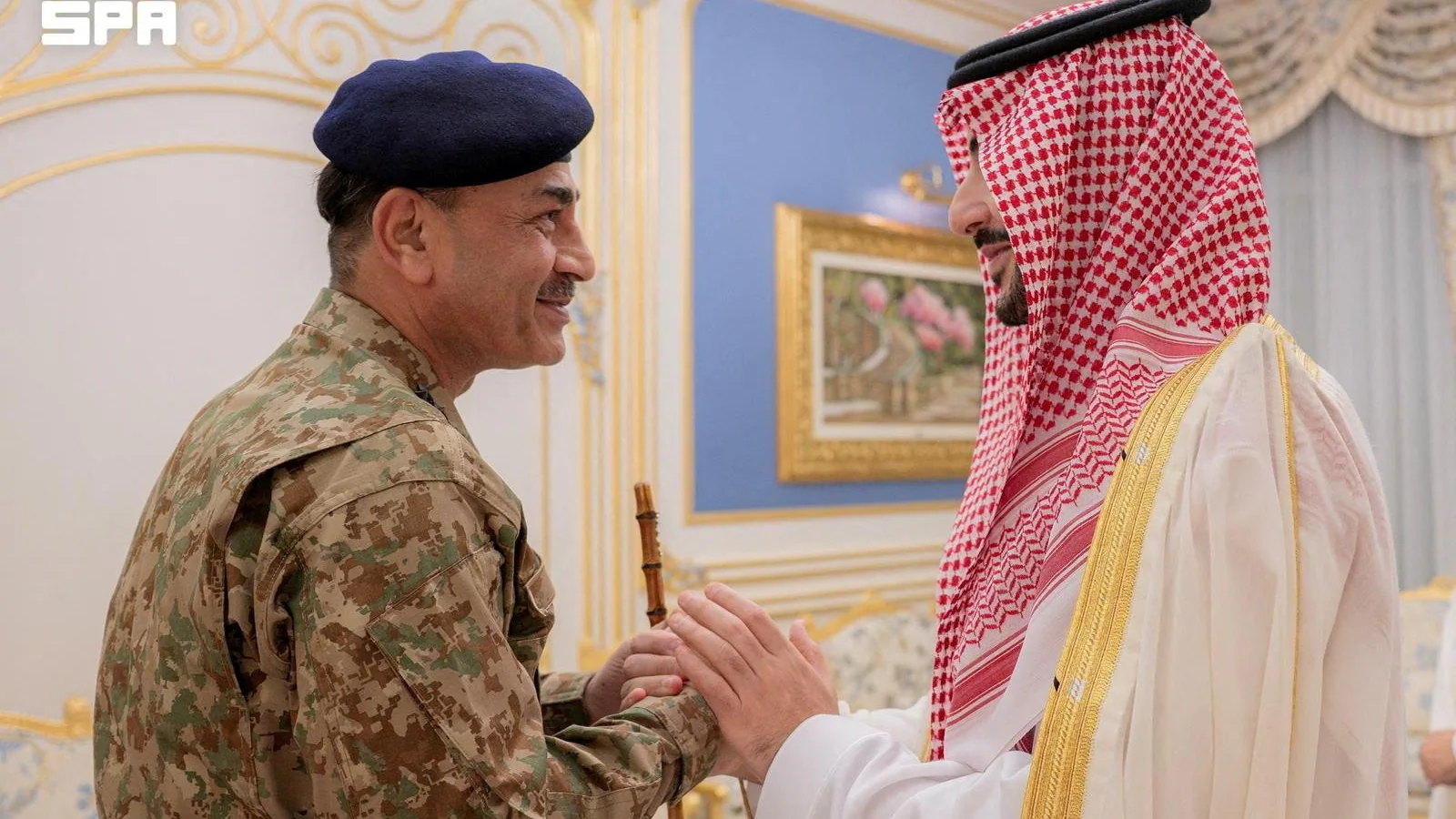
Saudi Defense Minister: According to reports, Prince Khalid bin Salman arrived in Tehran on Monday for talks. The plane he traveled on reportedly carried the money.
Participants in Talks: Pakistan's Army Chief Field Marshal Asim Munir, Turkey's Intelligence Agency Chief Ibrahim Kalin, and Iran's President Masoud Pezeshkian.
Saudi Condition: Return Occupied Territories First
According to reports, Saudi Arabia will not agree to any new ceasefire agreement under military pressure. It wants the Houthis to first return the areas they captured from the Yemeni government, which is backed by Saudi Arabia.
Impact of the Attacks
Houthi attacks have damaged Saudi airports and oil facilities, impacting the economy. Saudi oil exports have also been affected due to Houthi control near the Bab el-Mandeb Strait.
Three-Year-Old Agreement Becomes a Bone of Contention
According to Israeli media, one of the reasons for the dispute is the non-implementation of an agreement reached three years ago. Under that pact, Saudi Arabia was to pay salaries to government employees in Houthi-controlled areas and provide financial assistance to rebuild basic infrastructure for ordinary people. In return, the Houthis were expected to maintain a ceasefire and halt attacks on Saudi Arabia. Recently, the Houthis alleged that Saudi Arabia failed to honor the old agreement, using this as justification for resuming their attacks.
Why Can't Saudi Arabia Defeat the Houthis?
Modern Weapons, Yet No Victory: Saudi Arabia possesses modern fighter jets and missiles, and the United States has continued to provide it with weapons and intelligence. Despite this, it has failed to achieve victory in the conflict ongoing since 2015. Even after more than 10 years, the Houthis control large parts of Yemen and retain the capability to launch drone and missile attacks on Saudi Arabia.
Cost Imbalance: The Houthis attack using cheap drones and missiles, whereas Saudi Arabia must fire expensive interceptor missiles to counter them. This makes sustaining the war over the long term very costly.
Mountainous Terrain: A large part of Yemen is mountainous, where locating Houthi positions and completely eliminating them is not easy. Airstrikes can damage a position, but do not result in the capture of the entire territory. To completely remove the Houthis, Saudi Arabia might have to launch a major ground campaign, risking heavy troop casualties and a prolonged war.