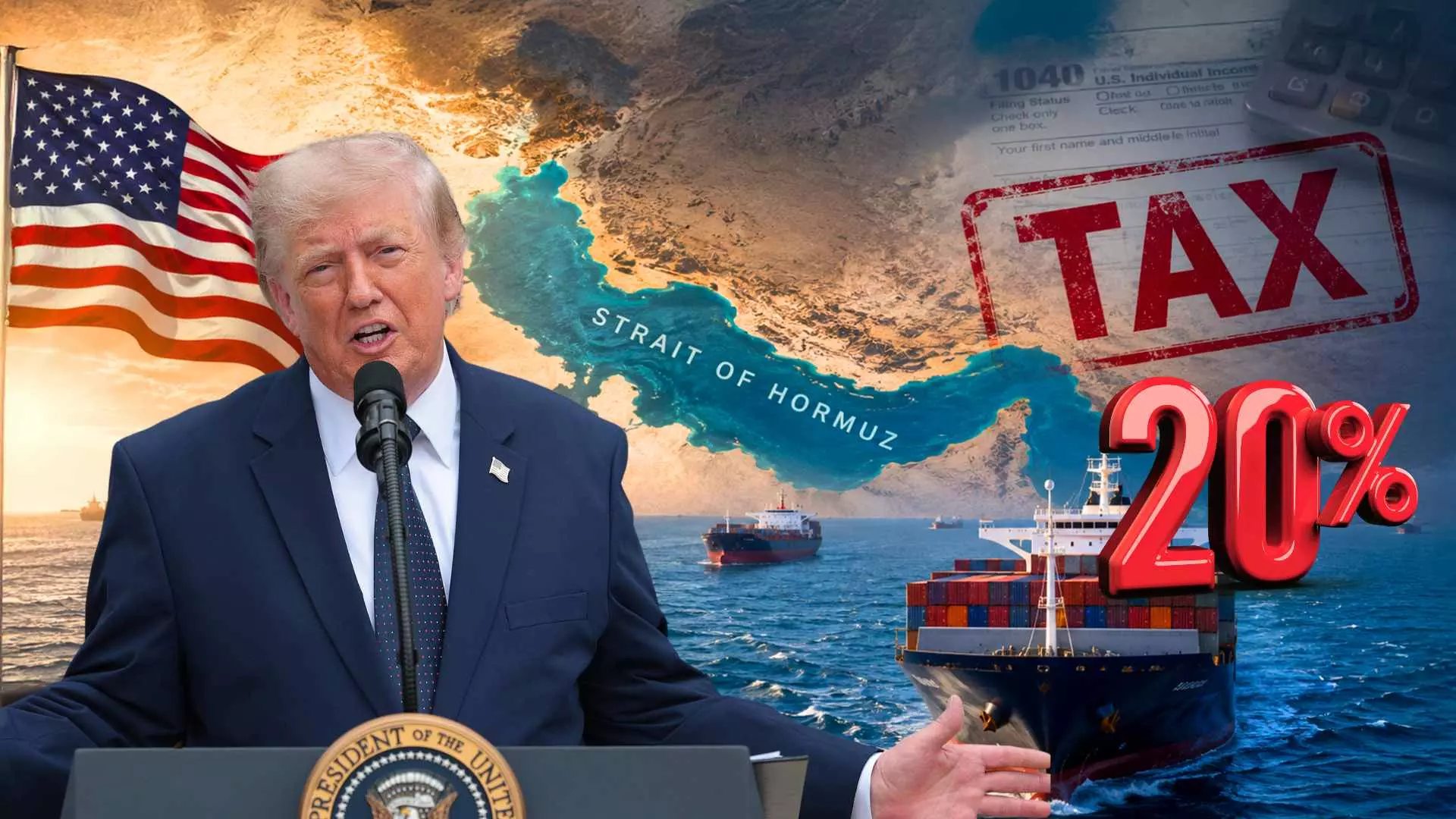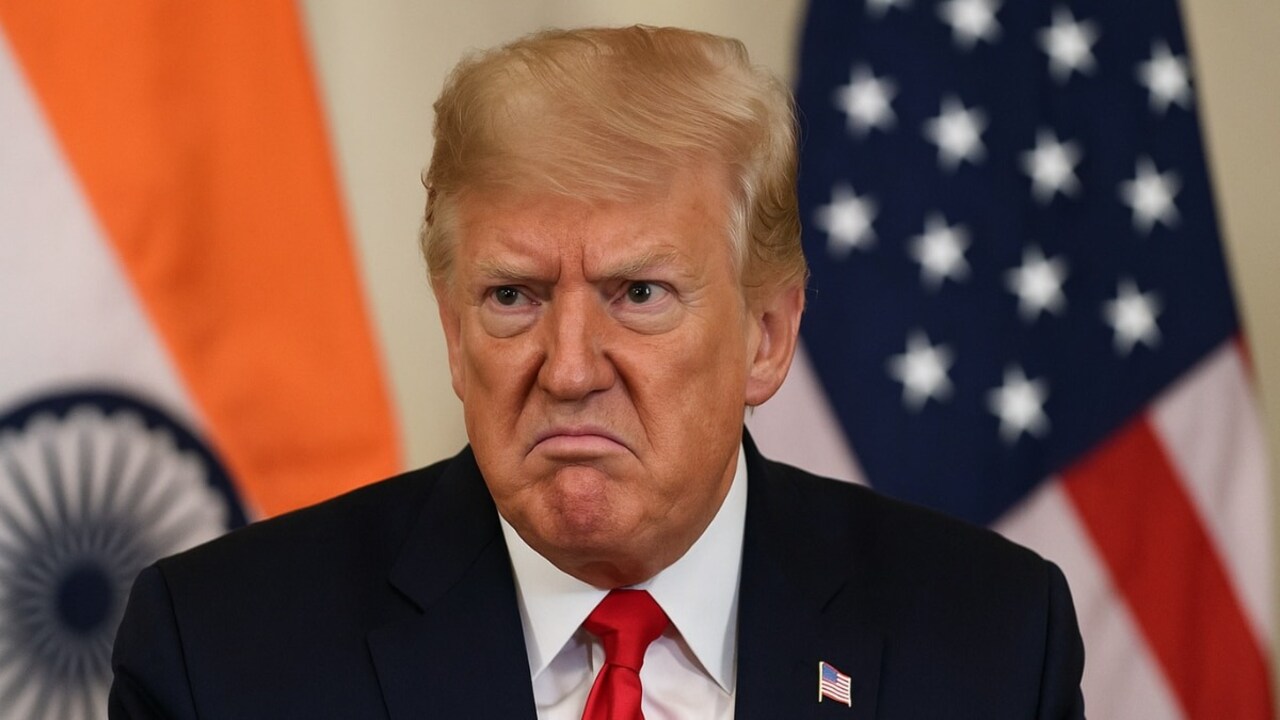
US President Donald Trump has taken a tough stance against India, not only imposing a 50% tariff on it but also urging European countries to stop buying oil and gas from India and impose sanctions. This move was taken in the context of oil trade with Russia and the Ukraine-Russia dispute, which has strained India-US relations. Trump accused European countries of double standards that they support Ukraine but are obstructing peace talks with Russia. The dispute has thrown global trade and diplomatic relations into new complications. Details of events As of August 30, 2025, the Trump administration imposed a 50% tariff (25% basic and 25% additional) on India, which was a response to India's purchase of oil from Russia. A White House spokesperson claimed that these tariffs are to pressure Russia to be willing to engage in peace talks with Ukraine. Trump called on European countries to also impose sanctions on India and end oil and gas trade with it, as India has become Russia's largest oil buyer, which will exceed its total before 2022. It was just 2 percent of imports and now it is 35-40 percent. India has called the tariffs “unfair,” saying its energy policy is based on the needs of its 1.4 billion people. “We will not compromise on the interests of our farmers, fishermen and dairy farmers,” Prime Minister Narendra Modi said. India also pointed out that European countries themselves are doing €67.5 billion in trade with Russia in 2024, while China, Russia’s largest oil buyer, is exempt from US sanctions. Trump accused European countries of encouraging Ukraine to continue the war and obstructing peace talks. He met President Vladimir Putin in Alaska on August 15, 2025, and held talks with Ukrainian President Zelensky in Washington on August 18, where European leaders called for NATO-style security guarantees for Ukraine. Trump had threatened to persuade Russia to agree to a ceasefire in 50 days, which was later reduced to 10-12 days, but the talks have not yet yielded any results. Background and implications Trump refused to attend the 2025 Quad conference and has withdrawn from bilateral talks with India. Trade talks canceled. White House adviser Peter Navarro sharply criticized India, calling the Russia-Ukraine conflict “Modi’s war.” India responded by saying it would not compromise on its sovereignty and energy needs. According to experts, the tariffs will hurt India’s export industries, especially textiles and auto sectors, but India is looking for new trade opportunities in 40 countries to mitigate the damage. European countries have not yet given a clear response to the call for sanctions on India, but they are supporting Trump’s peace talks to test Putin’s intentions. Trump’s policy has plunged global trade into uncertainty, and India is now pushing for new agreements with Europe and Asia. “We want peace, but we will not compromise on our sovereignty and interests.” — Indian Ministry of External Affairs References The Hindu, India Today, BBC, Times of India, Bloomberg, X-Post