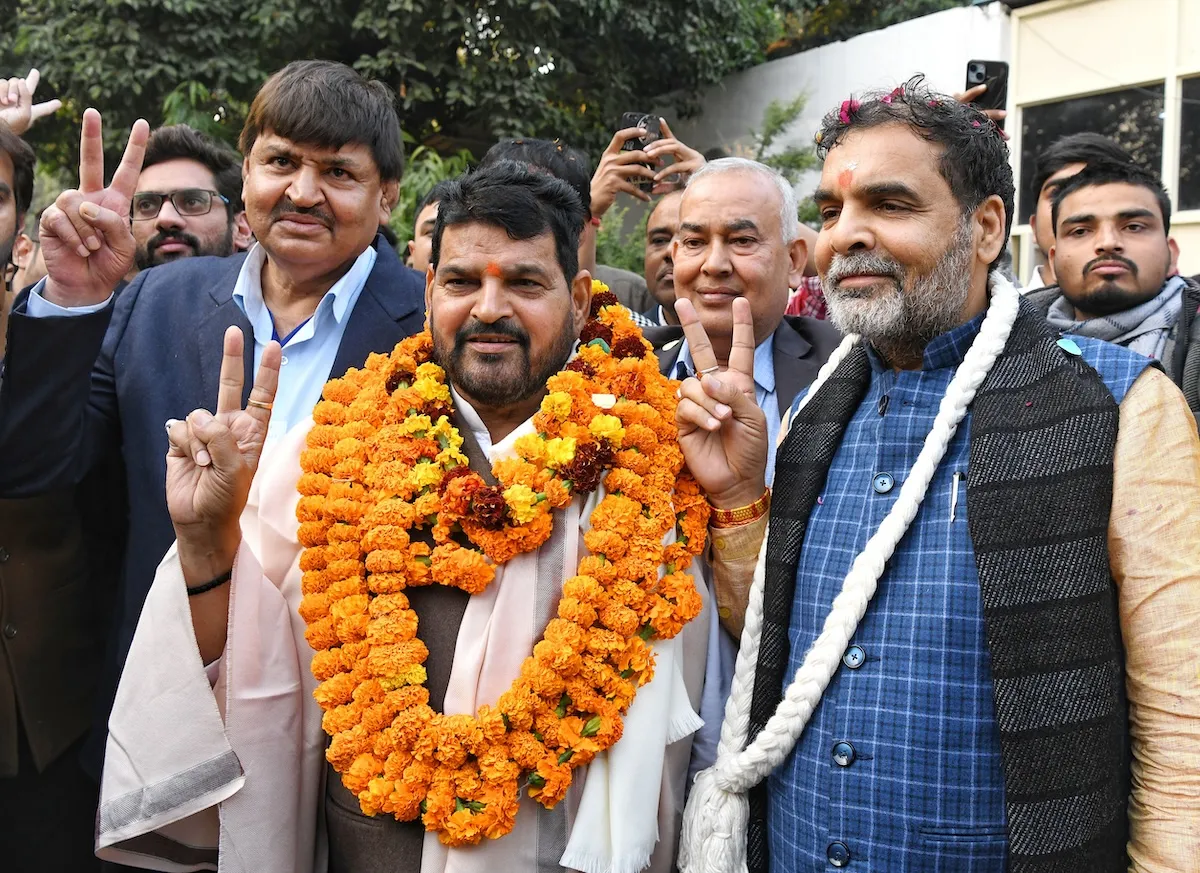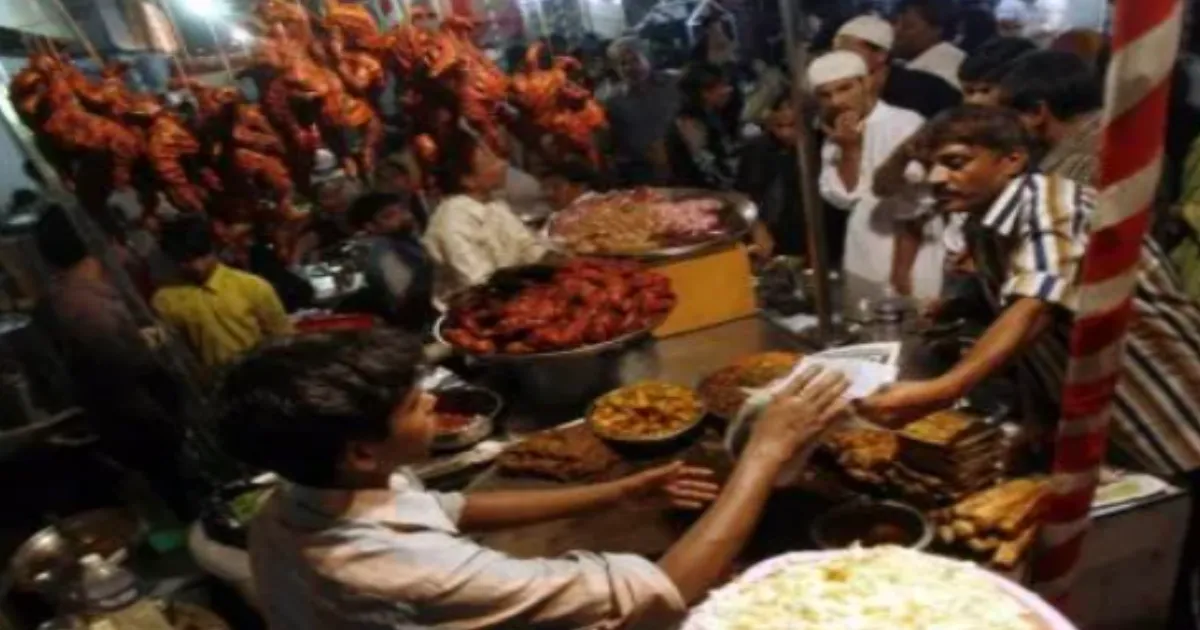
Indore, the financial capital of Madhya Pradesh, is in the news again, where authorities have imposed a complete ban on the sale of meat during certain Hindu and Jain festivals. The decision came after a statement by the city’s mayor, Pushyamitra Bhargava, in which he announced that meat shops would remain closed during Ganesh Chaturthi (August 27), Dhol Gyaratis (September 3), Anant Chaturdashi (September 6) and the Jain festival of Parivan. The mayor said in his statement that the municipal corporation officials have been instructed to strictly implement the ban, and strict action will be taken against violators. Officials say the decision was taken to respect the religious sentiments of the Hindu and Jain communities, who had requested a ban on the sale of meat during their festivals. Background to the decision The ban is not a new measure. In many cities in India, especially in areas like Madhya Pradesh and Gujarat, which have large Hindu and Jain communities, it is common practice to ban the sale of meat during festivals. The move is aimed at It is said to respect the religious sentiments of communities, who follow the principles of violence-free environment and ahimsa (non-violence) during their festivals. But this decision raises an important question: is respect for religious sentiments limited to a specific section? The question of respect for Muslim festivals When it comes to Muslim festivals, the situation looks completely different. The Muslim community often faces unnecessary restrictions and criticism on holy occasions like Eid-ul-Adha, Eid-ul-Fitr, or Muharram. Attempts are made to make the act of sacrifice controversial on the occasion of Eid-ul-Adha, while unnecessary restrictions are sometimes imposed on Muharram processions. The question is, if respect for religious sentiments is so important during Hindu and Jain festivals, why is the same respect not shown during Muslim festivals? This double standard not only harms social harmony but also fuels communal tensions. When strict measures are taken to respect the festivals of one community, but the holy days of another community are ignored or criticized When this is done, it is a clear proof of injustice. Islam teaches peace, brotherhood and tolerance, but when their sentiments are insulted on the occasion of Muslim festivals, it leads to sowing the seeds of hatred and division in the society. Towards a just society, the festivals and rituals of every religion are an important part of its identity. In a multi-religious society, like India, equal respect for the religious sentiments of all communities is essential. If banning the sale of meat during Ganesh Chaturthi or Parivansh is justified, then protecting the sentiments of the Muslim community on the occasion of Eid or Muharram is equally important. We appeal to the authorities and the society to ensure respect for the festivals of all religions. An atmosphere should be created where every individual can practice their religious beliefs, without any fear or restriction. It is time that we say goodbye to hatred and double standards and build a world where the sentiments of every religion are valued, and every festival is celebrated with peace and love. References India Today, Times of India, The Hindu, Hindustan Times, The Indian Express, X-Post