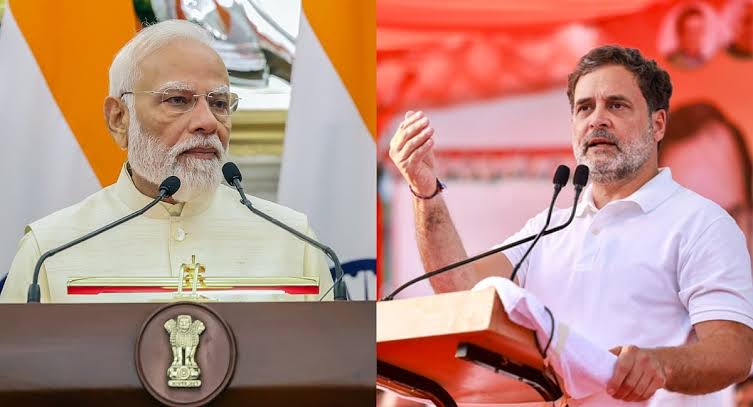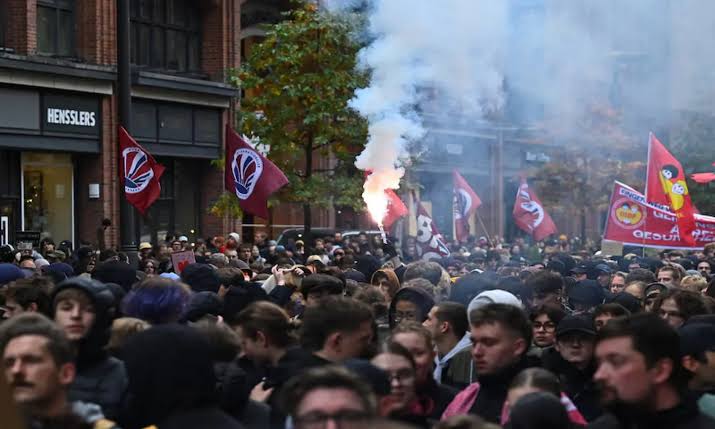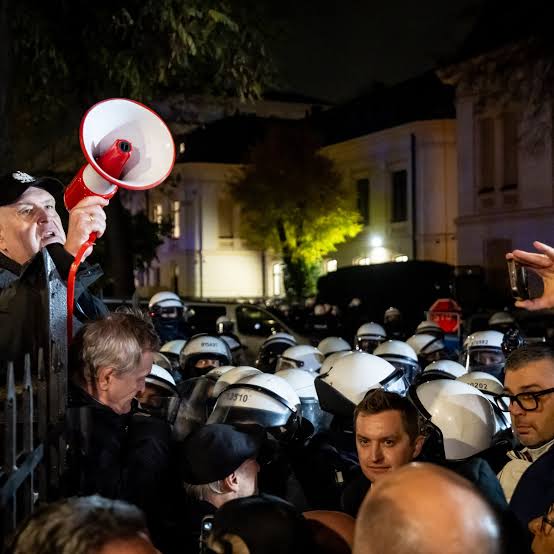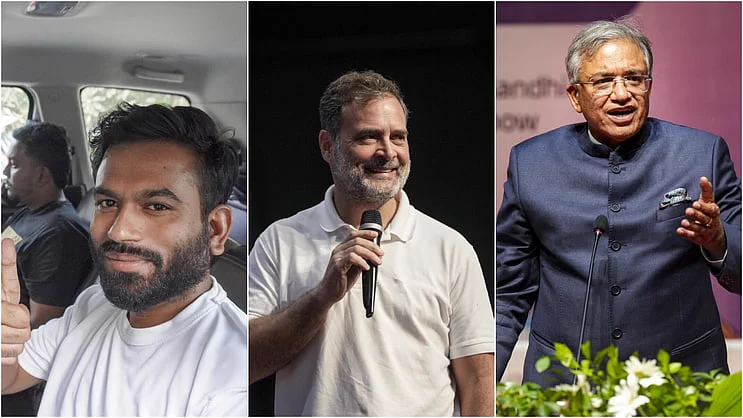
A major political push is underway at Delhi's Ramlila Maidan on November 1, as the opposition INDIA alliance convenes a massive demonstration. CPI(M) MP John Brittas claimed an expected turnout of up to 1 million people—a statement representing the organizers' optimistic projection rather than an official attendance count. As the crowd gathers, the central political question facing Congress and Rahul Gandhi is whether they can translate their campaign against the Election Commission into a broad public movement.
Pre-Rally 'Symbolic Parliament'
On October 31, a 'Symbolic Parliament' was convened at Congress President Mallikarjun Kharge's residence, where a resolution seeking the removal of the Chief Election Commissioner (CEC) was passed. The session was chaired by former Lok Sabha Speaker Meira Kumar, with SP's Awadhesh Prasad and TMC's Saugata Roy serving as deputy presiding officers.
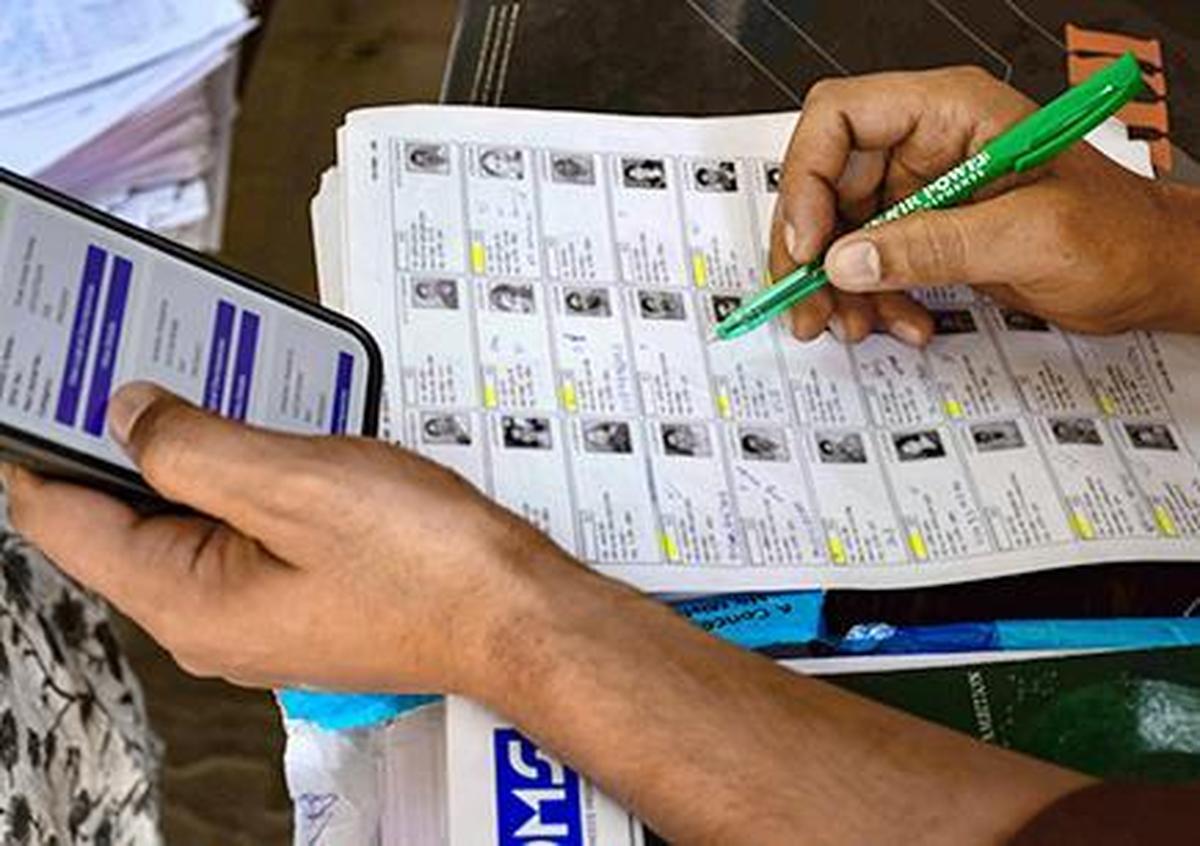
Kharge leveled six primary allegations against the CEC, alleging systemic discrepancies in voter lists and a compromise on institutional impartiality.
Rahul Gandhi argued that because the opposition's voice was being silenced inside Parliament, they were compelled to take their grievances directly to the public square.
What Is the Opposition's Strategy?
Pressuring the Government: According to senior journalist Sharad Gupta, after failing to force the issue inside parliamentary chambers, the opposition is turning to public mobilization to build external pressure on the government.
Sustaining Public Discourse: Both the symbolic parliament and the Ramlila Maidan rally are designed to keep the campaign against the Special Summary Revision (SIR) and the CEC active in headlines. With upcoming festival seasons threatening to distract public attention, keeping the momentum alive is vital for the alliance.
Broadening Participation: Veteran analyst Rasheed Kidwai views this as part of a long tradition of symbolic political protests. The success of the strategy hinges on driving active participation among everyday citizens, youth, intellectuals, and civil society groups.
Congress's Dual Challenge: Congress faces two structural hurdles: keeping its alliance partners unified on a single platform, and successfully projecting its message to voters who do not typically attend political rallies. The Delhi Congress unit established 20 dedicated committees to manage rally logistics.
Traders' Objections vs. Police Clearance
The Chamber of Trade and Industry (CTI) appealed directly to Sonia Gandhi to postpone the event, warning that severe traffic and access disruptions in Central Delhi could impact business transactions worth ₹12,000 crore. However, Delhi Police subsequently granted a formal No Objection Certificate (NOC) for the rally under strict security guidelines.
Government and BJP Response
Kiren Rijiju: Noted that Gyanesh Kumar was not the CEC during the 2024 Lok Sabha elections and questioned why Congress lost three consecutive general elections. He urged Congress to clarify its stance on purging deceased, relocated, or duplicate voters from rolls.
Amit Shah: Speaking in Lucknow on October 30, the Home Minister challenged the opposition to a formal parliamentary debate on the SIR and suggested readiness for a special session. He likened blaming the Election Commission after losing elections to blaming the referee after losing a sports match.
JP Nadda: Criticized Congress for claiming credit when they win elections while routinely targeting the Election Commission whenever they lose.
Sambit Patra: Questioned why Congress booth agents did not raise formal, on-the-spot objections during voting if widespread voter fraud was allegedly taking place.
Tejasvi Surya: Satirically suggested that Congress conduct a 'symbolic general election' and declare Rahul Gandhi Prime Minister.
The Legal Procedure to Remove a CEC
The resolution passed in the opposition's symbolic parliament carries no legal validity. On March 12, removal notices signed by 130 Lok Sabha MPs and 63 Rajya Sabha MPs were submitted, but were rejected on April 6 by the Lok Sabha Speaker and Rajya Sabha Chairman. A revised notice signed by 73 Rajya Sabha MPs was submitted on April 24. Under Constitutional provisions, removing a CEC requires a notice signed by at least 100 Lok Sabha or 50 Rajya Sabha members, followed by a two-thirds majority vote in both Houses of Parliament passed independently.
Election Commission's Position
In a October 26 submission before the Supreme Court, the Election Commission clarified that all three orders regarding the SIR were issued with the unanimous consent of all three Election Commissioners.
Dismissing allegations of unauthorized Form-6 modifications, the EC stated that the SIR supplementary declaration is a distinct administrative document, and no voter entry can be added, deleted, or modified without an explicit order from the designated Electoral Registration Officer.
The Dilemma of Gauging Public Support
As Sharad Gupta points out, the opposition's primary contention is that elections themselves are not being conducted fairly, leading them to question using election results as the sole gauge of public support. Citing West Bengal, where nearly 60 lakh names were flagged for verification, judicial scrutiny supervised by the Supreme Court ultimately led to the deletion of approximately 27.16 lakh entries. While TMC MP Derek O'Brien demanded the annulment of results across 31 constituencies, the EC responded that TMC itself won 21 seats where the margin of victory was smaller than the number of deleted records.
Significance of CJP's Support
The Cockroach Janata Party (CJP) issued a statement on October 28 expressing concern over eligible voters being left off the SIR rolls and reiterating calls for the CEC's resignation. CJP founder Abhijit Dipke announced on X (formerly Twitter) that the party supports the Ramlila Maidan rally, stating their commitment to backing any group fighting for free and fair elections.
According to Rasheed Kidwai, this endorsement does not signal CJP merging into Congress or adopting its broader political manifesto. The key question is whether such independent groups will continue aligning with the opposition alliance in future campaigns, or if this coalition remains strictly limited to single-event protests.