Hafiz Sakhawi (may Allah have mercy on him) writes:

«اجْتَنِبْ أَيُّهَا الْكَاتِبُ الرَّمْزَ لَهَا أَي لِلصَّلَاةِ عَلَى رَسُولِ اللَّهِ صَلَّى الله عَلَيْهِ وَسَلَّمَ فِي خَطِكَ، بأن تَقْتَصِرَ مِنْهَا عَلَى حَرْفَيْنِ، وَنَحْوِ ذلِكَ، فَتَكُونَ مَنْقُوصَةٌ صُورَةٌ، كَمَا يَفْعَلُهُ الكُسَالَى وَالْجَهَلَةُ مِنْ أَبْنَاءِ الْعَجَمِ غَالِبًا وَعَوَامُ الطَّلَبَةِ، فَيَكْتُبُونَ بَدَلًا عَنْ صَلَّى اللَّهُ عَلَيْهِ وَسَلَّمَ : ص ، أَوْ صم، أَوْ صلم، أَوْ صلعم، فَذَلِكَ لِمَا فِيهِ مِنْ نَّقْصِ الأَجْرِ لِنَقْصِ الكِتابَةِ خِلافُ الأولى»

"O writer! Avoid writing abbreviations for sending blessings (Durood) upon the Messenger of Allah (peace and blessings of Allah be upon him) in your handwriting by restricting it to two, three, or four letters. In this way, the form of the blessing becomes deficient, just as is the practice of the lazy and many ignorant non-Arabs (Ajamis), and the generality of students also fall into this mistake. They write 'S', 'Sm', 'Slm', or 'Sl'am' instead of 'peace and blessings of Allah be upon him'. This method is undesirable due to the reduction in reward caused by the deficiency in writing."

[Fath al-Mugheeth bi-Sharh Alfiyyat al-Hadith: 3/71-72]

ارے بھائی!

اگر آپ ہزاروں کتابیں، نعتیں، تصاویر، ویڈیوز، اخبار، مضامین، قبلہ نما، اوقات نماز، اسلامک گھڑی اور بہت کچھ آسانی کے ساتھ حاصل کرنا چاہتے ہیں تو بس ہمارے Islamic Tube ایپ کو پلے سٹور سے انسٹال کرو، اور بالکل مفت اور آسانی کے ساتھ اسلامک مواد حاصل کرو

ڈاؤن لوڈ کریں
Image 1

Where should true generosity be shown?

Where should true generosity be shown?

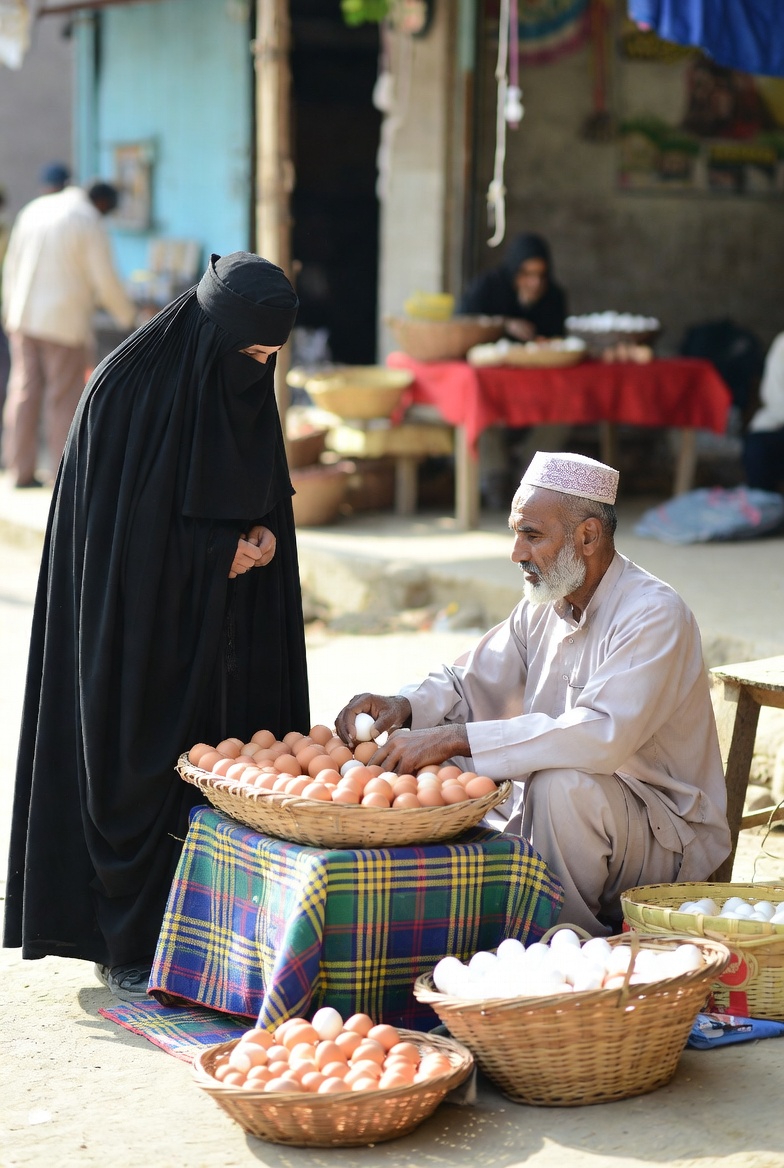
A woman asked an elderly street vendor, "How much are the eggs per dozen?" The old man replied respectfully, "Madam, thirty rupees per egg." The woman retorted, "I will take six eggs for 150 rupees, otherwise I'm leaving." The old man smiled gently and said, "Madam, take them however you wish. For me, at least this is a good start to the day. Not a single egg has been sold yet, and I have to make ends meet with this." The woman left, feeling delighted with what she thought was an excellent bargain. A little later, she sat in her luxury car and reached an expensive restaurant, where she had lunch with her friend. Both ordered without hesitation, barely even touched the food, and when the bill of 4,500 rupees arrived, she paid 5,000 rupees, telling the owner to keep the change as a tip. For the restaurant, this generosity might be a normal thing, but for the egg vendor, it was a silent injustice. Why do we often feel the need to show our power in front of weak and needy people? And why do we display generosity where it is not truly needed? I once read a story of a father who would always pay more than the actual price when buying things from poor street vendors. His children asked him, "Father, why do you do this?" He replied, "This is charity, but wrapped in the veil of respect." (Adapted from English Literature — Selection: Islamic Tube Pro App)